


|
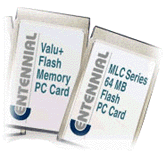
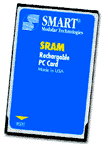
Note: 1. All Centennial/Smart
Modular SRAM and linear flash cards are discontinued. We may have
some specific parts still in stock. 2. PSI supplies PC card readers/writers for the SRAM cards and linear flash cards. For more info about these readers, please click here. We supply drivers (to our customers only) for Windows 3.1, 95, 98, Me & 2000. For Windows XP, you may use the Windows native driver but your cards must have the 2KB attribute. If you prefer to use a USB external reader with proprietary driver for these cards, please click here.
Crгіnica De Una Muerte Anunciada «1000+ Top-Rated»This begs the question: did Santiago's wrongdoings justify his murder? Perhaps his death prevented the future rape of Divina Flor, Bulletin of Advanced Spanish La Crónica de una Muerte Anunciada all quotes - Quizlet : The narrator, returning to the town 27 years later, finds that memories have become fragmented and contradictory. Central to this is the question of Santiago Nasar’s innocence; Márquez heavily implies he was not the one who "deflowered" Ángela, making his death an even greater injustice. Key Resources for Study Morality in Crónica de una muerte anunciada CrГіnica de una muerte anunciada : The Vicario twins, Pedro and Pablo, murder Santiago Nasar to restore their family's honor after their sister, Ángela, is returned on her wedding night for not being a virgin. They argue the killing was a legitimate "matter of honor" ( Fueunasuntodehonorcap F u e u n a s u n t o d e h o n o r This begs the question: did Santiago's wrongdoings justify Gabriel García Márquez's 1981 novella, Crónica de una muerte anunciada (Chronicle of a Death Foretold), is a "pseudo-journalistic" reconstruction of a real-life murder that occurred in Sucre, Colombia, in 1951. The story explores the intersection of collective responsibility, rigid honor codes, and the inescapable nature of fate in a small town where everyone knew a murder was going to happen but did nothing to stop it. Key Resources for Study Morality in Crónica de ), a view largely supported by the town's social and religious values. |

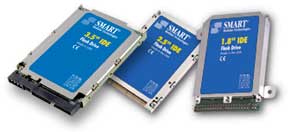
WARRANTY &
SUPPORT. Tech support
from manufacturer and PSI. 1 year warranty. For tech support
and/or RMA, please go to http://www.psism.com/support.htm.
TO ORDER OR INQUIRE. Please click here to place an online order or send e-mail inquiry to or call (301) 572-2168. We accept Visa, MasterCard, Discover and American Express as well as government and university POs. International orders may be conditionally accepted. Please click here to order or view our ordering information page.
| New
Products | PCMCIA Cards / Readers
| Industrial /
Rugged Memory Products | SRAM
& Linear
Flash
|
| SATA
& IDE
Flash Drives | Industrial
ATA & CF
Cards | Embedded Memory
| Tronlink
Products |
Copyright© 1995 ~ 2016
PSISM, LLC , dba PSI (formerly Primary Simulation,
Inc. )
2963 Mozart Drive, Silver Spring, MD 20904 U.S.A.
Tel:(301) 572-2168, Fax: (301) 847-0739
10:00AM ~ 6:00PM U.S. Eastern Time
Email: