Related posts
Marc-Andre ChartrandMarch 05 20263 Min Read
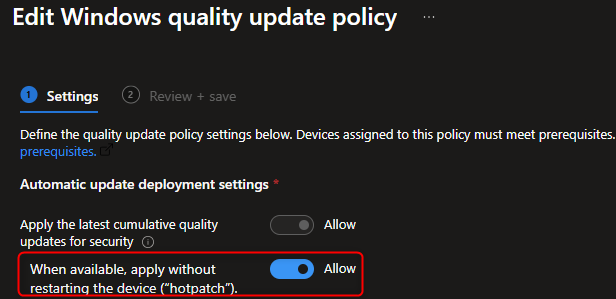
How to Configure Windows Hotpatch with Intune
Microsoft has introduced Hotpatch for Windows 11 Enterprise, a feature that allows you to apply...

Jonathan LefebvreNovember 14 20259 Min Read
Step-by-Step SCCM 2509 Upgrade Guide
Microsoft has released the second SCCM version for 2025, as the release cadence is now reduced to... Zavaidoc - Foaie verde И™i-un dudДѓu

Jonathan LefebvreSeptember 08 20257 Min Read
Deploy Windows 10 Extended security update key (ESU) with Intune or SCCM
With Windows 10 support ending October 14, 2025, organizations face a critical choice: upgrade to... "Foaie verde și-un dudău" performed by Neonela Duplei


"Foaie verde și-un dudău" performed by Neonela Duplei. Romanian traditional folk song ("doină") from Moldova, Basarabia area. YouTube·Fabr1s
Born Marin Teodorescu in Pitești, Zavaidoc was the most celebrated lăutar (fiddler/singer) of interwar Romania.
: Known for a powerful tenor voice and emotional delivery, he bridged the gap between raw folk melodies and refined urban "romances". Analysis of "Foaie verde și-un dudău" Foaie verde și-un dudău / Song about ageing
The song is a cornerstone of the Romanian lăutărească repertoire, famously immortalized by Zavaidoc (Marin Teodorescu). A blend of traditional folk roots and interwar urban sensibility, it exemplifies the transition of rural "doina" into the vibrant, soulful music of Bucharest's historic mahala neighborhoods. The Performer: Zavaidoc (1896–1945)
: After serving in World War I, Zavaidoc moved to Bucharest, where he became a sensation in the city's gardens and restaurants, eventually becoming a best-selling artist for Columbia Records starting in 1925.