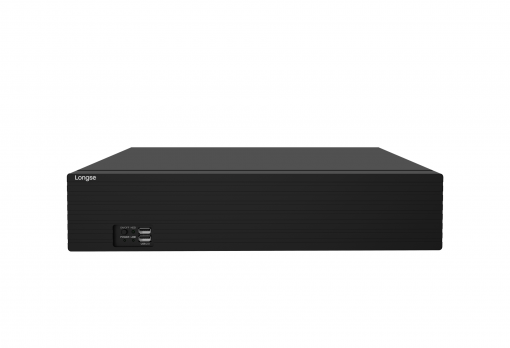

NVR3664L
64CH 4K Network Video Recorder
- • Input: Max. 64CH;
- • support (two-way) Audio;
- • HD Output:4K(3840x2160)/30Hz
- • Video Compression : H265/H264/H265+/H264+
- • Support a variety of Language UI
The "Magical Girl" (Mahō Shōjo) genre in anime, led by icons like Sailor Moon , uses the school girl identity as a secret identity, empowering young female characters with cosmic responsibilities. The Digital Shift
At its core, this genre thrives on a fundamental duality. On one hand, it represents the . Shows like Gilmore Girls or Sex Education use the school setting as a crucible for personal growth, focusing on the relatable anxieties of academic pressure, social hierarchies, and the first taste of independence. In these narratives, the "school girl" is a protagonist navigating the messy transition from childhood to adulthood. school girl porno
Today, the "content" isn't just on Netflix; it’s on social media. The rise of "study-vlogs" and "Get Ready With Me" (GRWM) videos has turned the daily routine of a student into a form of lifestyle entertainment. Here, the boundaries between reality and media blur, as real students curate their lives to fit the "aesthetic" of the fictional school girls they admire. Conclusion The "Magical Girl" (Mahō Shōjo) genre in anime,
Series like Wednesday take the school girl archetype and drench it in gothic subculture, proving the "uniform" can be a tool for rebellion rather than conformity. Shows like Gilmore Girls or Sex Education use
Content focusing on the intense pressure of elite education, such as the K-drama Sky Castle , turns the school experience into a psychological thriller.
The most "interesting" media content in this category often comes from subverting expectations. While many early 2000s films focused on the "Queen Bee" trope (think Mean Girls ), contemporary media has moved toward more complex territory: