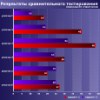
Pixel Shader 2.0 precision
|
Instruktsiia Po Sostavleniiu Buketov [Complete]
The final stage of the instruction involves securing and presenting the bouquet. Once the desired shape is achieved, the stems are tied tightly with twine or floral tape at the binding point. The stems are then trimmed to an equal length. The choice of wrapping—whether it is rustic craft paper, elegant tracing paper, or a simple silk ribbon—serves as the frame for the floral artwork, completing the sensory experience.
The foundation of any successful bouquet lies in the preparation of the material. Before a single stem is placed, the flowers must be conditioned to ensure longevity. This involves cutting the stems at a 45-degree angle to maximize water absorption, removing any foliage that would sit below the water line to prevent bacterial growth, and allowing the blooms to hydrate in a cool place. Selecting the right ingredients is equally critical. A standard floral recipe requires a balance of focal flowers (large, eye-catching blooms like roses or peonies), secondary flowers (smaller blooms that support the focal points), fillers (like baby's breath or limonium to add volume), and greenery (to provide structure and contrast). instruktsiia po sostavleniiu buketov
In conclusion, composing a bouquet is a structured yet creative process. By following the fundamental instructions of proper conditioning, technical assembly, and thoughtful design, anyone can master the language of flowers. Ultimately, a bouquet is more than just a decoration; it is a manifestation of care and creativity, proving that structure and art can bloom together in perfect harmony. The final stage of the instruction involves securing
|
|
 |
|
|
The final stage of the instruction involves securing and presenting the bouquet. Once the desired shape is achieved, the stems are tied tightly with twine or floral tape at the binding point. The stems are then trimmed to an equal length. The choice of wrapping—whether it is rustic craft paper, elegant tracing paper, or a simple silk ribbon—serves as the frame for the floral artwork, completing the sensory experience.
The foundation of any successful bouquet lies in the preparation of the material. Before a single stem is placed, the flowers must be conditioned to ensure longevity. This involves cutting the stems at a 45-degree angle to maximize water absorption, removing any foliage that would sit below the water line to prevent bacterial growth, and allowing the blooms to hydrate in a cool place. Selecting the right ingredients is equally critical. A standard floral recipe requires a balance of focal flowers (large, eye-catching blooms like roses or peonies), secondary flowers (smaller blooms that support the focal points), fillers (like baby's breath or limonium to add volume), and greenery (to provide structure and contrast).
In conclusion, composing a bouquet is a structured yet creative process. By following the fundamental instructions of proper conditioning, technical assembly, and thoughtful design, anyone can master the language of flowers. Ultimately, a bouquet is more than just a decoration; it is a manifestation of care and creativity, proving that structure and art can bloom together in perfect harmony. |