The results were a neon-lit bazaar. Websites with names like "Soft-Pedia-Crack-King" and "Mega-Keys-Direct" promised him salvation. He clicked the first link, and immediately, his browser felt like it was under siege. Five new tabs bloomed like invasive weeds, shouting about "suspicious activity" on his computer and offering "free security scans." The Hall of Mirrors
He unzipped the folder. Inside was a "ReadMe.txt" written in broken English and a file named Setup.exe . Leo hesitated. His antivirus chirped a warning—a "Generic Trojan" detected. He told himself it was a "false positive," a lie crackers often told to soothe the nerves of the cautious. He clicked "Run anyway."
For a second, nothing happened. Then, IDM actually launched. It looked perfect. The "About" section showed a registered serial key. Leo felt like a genius. But beneath the surface, the "Build 9" was doing more than accelerating his downloads. The Aftermath
Leo ignored the warnings, his eyes fixed on the prize: a large, pulsing green "DOWNLOAD NOW" button. But it was a trick. Clicking it triggered a secondary window, then a third. He was in a digital hall of mirrors. He found himself solving endless CAPTCHAs—identifying buses, hydrants, and traffic lights—as if he were paying a toll to cross a bridge made of static.
 AmbientOcclusion







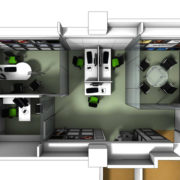

 AmbientOcclusion Pro – $129