The title itself, Ek Batheon , suggests a cry from the deepest parts of the human spirit. The album proved that music could act as a "soft power," softening the edges of nationalism. It paved the way for subsequent collaborations and fostered a "rapprochement" at the grassroots level long before political leaders reached lasting agreements.

The late 1980s were marked by the "Davos Process," a brief thaw in Greco-Turkish relations. Dalaras and Livaneli became the faces of this reconciliation. Ek Batheon was not merely a musical experiment; it was a political act of "music diplomacy." By singing together, they reminded their audiences that despite a history of conflict, the two peoples shared a common rhythmic DNA—a blend of Byzantine, Ottoman, and folk traditions that were functionally inseparable.

At its core, Ek Batheon is the union of two Mediterranean legends. George Dalaras, with his signature timbre and mastery of laiko and rebetiko , provided the vocal soul of the album. Zülfü Livaneli, a towering figure in Turkish music and a lifelong activist, provided the melodic architecture. The album features Livaneli’s compositions, many of which were adapted into Greek by poets like . This lyrical translation was crucial; it allowed the Greek public to connect intimately with the Turkish "sound," finding common ground in shared themes of exile, love, and social justice. Cultural and Political Resonance

Menu
The menu is being loaded...
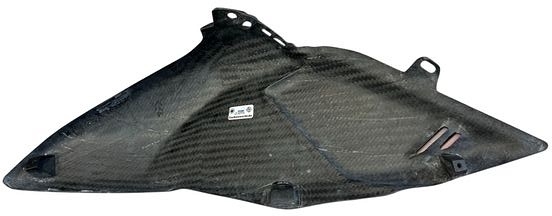
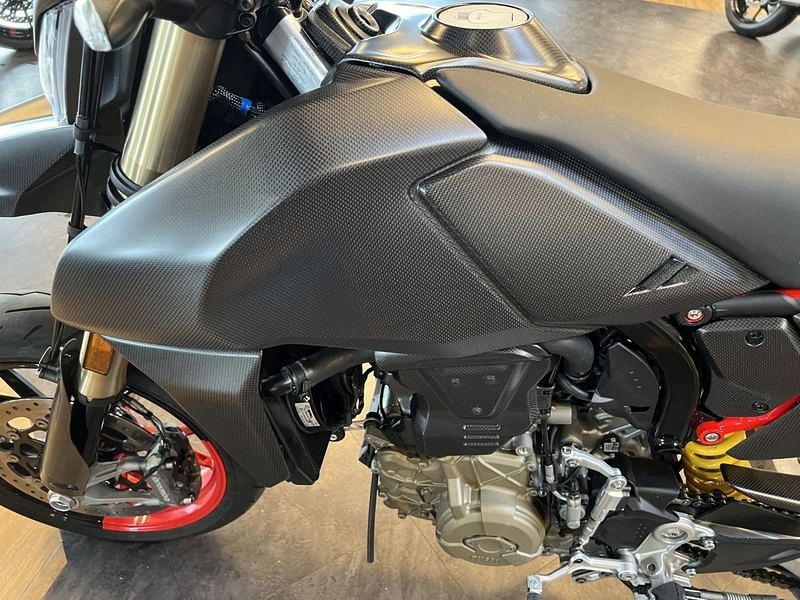
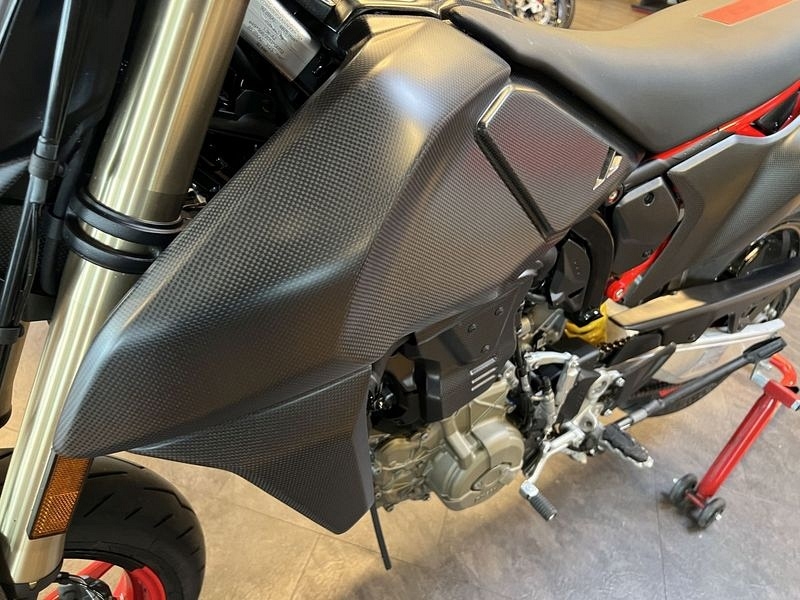
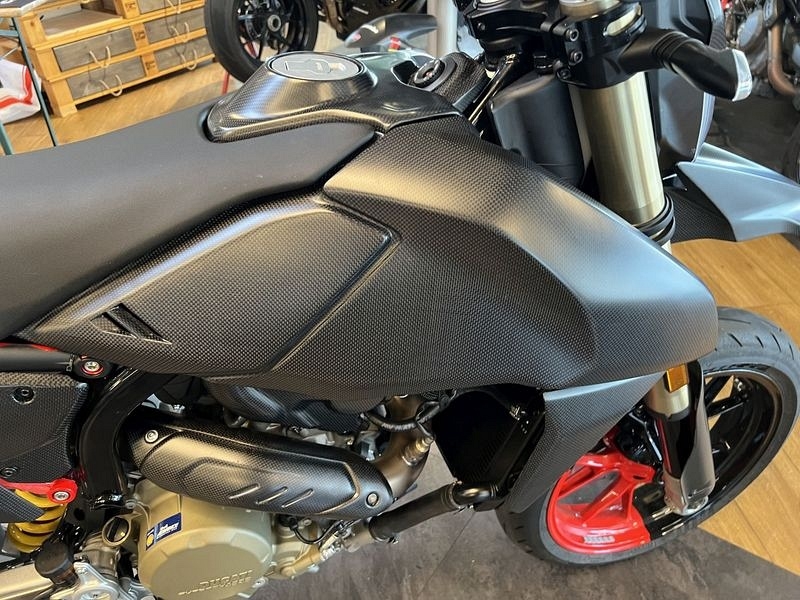
Carbonworld fuel tank panels carbon fiber Ducati 698 Mono

Giorghos_ntalaras_zulfu_livaneli_ek_batheon_imv... Online

The title itself, Ek Batheon , suggests a cry from the deepest parts of the human spirit. The album proved that music could act as a "soft power," softening the edges of nationalism. It paved the way for subsequent collaborations and fostered a "rapprochement" at the grassroots level long before political leaders reached lasting agreements.

The late 1980s were marked by the "Davos Process," a brief thaw in Greco-Turkish relations. Dalaras and Livaneli became the faces of this reconciliation. Ek Batheon was not merely a musical experiment; it was a political act of "music diplomacy." By singing together, they reminded their audiences that despite a history of conflict, the two peoples shared a common rhythmic DNA—a blend of Byzantine, Ottoman, and folk traditions that were functionally inseparable. giorghos_ntalaras_zulfu_livaneli_ek_batheon_imv...

At its core, Ek Batheon is the union of two Mediterranean legends. George Dalaras, with his signature timbre and mastery of laiko and rebetiko , provided the vocal soul of the album. Zülfü Livaneli, a towering figure in Turkish music and a lifelong activist, provided the melodic architecture. The album features Livaneli’s compositions, many of which were adapted into Greek by poets like . This lyrical translation was crucial; it allowed the Greek public to connect intimately with the Turkish "sound," finding common ground in shared themes of exile, love, and social justice. Cultural and Political Resonance The title itself, Ek Batheon , suggests a