










The manifesto’s primary rhetorical device is a complete reversal of Freudian "penis envy." Solanas argues that the male is a "biological accident" and an "incomplete female," driven by an inherent sense of deficiency to dominate and destroy. By flipping the traditional patriarchal script, Solanas exposes the absurdity of gender-based superiority. She catalogs a list of "male" failures, ranging from the invention of money and war to the destruction of emotional intimacy. The "Society for Cutting Up Men" (SCUM) is presented not necessarily as a literal organization, but as a symbolic vanguard of "dominant, secure, self-confident" women who have no use for the existing social order.
Critically, the essay functions as a critique of "Daddy's Girls"—women who conform to patriarchal expectations to survive. Solanas calls for a total revolution, not just in law, but in the psychological makeup of society. She advocates for the automation of all labor and the elimination of the male sex to create a world defined by play, art, and genuine social connection. Her vision is a techno-utopian landscape where the constraints of biology and capitalism are forcibly removed.
Decades later, the SCUM Manifesto is frequently analyzed through the lens of "outrageousness" as a political tool. It does not seek to persuade through polite discourse; it seeks to shock the reader into recognizing the violence inherent in the status quo. Whether viewed as a literal call to action, a dark satire, or a manifestation of deep-seated trauma, the text forces a confrontation with the limits of reformist feminism. It stands as a reminder that radical thought often begins by imagining the "unimaginable" destruction of the world as we know it.
The AAC Language Lab offers real-life solutions in support of language development. Explore language stages and interactive materials designed for Speech Language Pathologists (SLPs), Educators and Parents. An annual subscription provides full access to all materials including guided lesson plans, an activities section, a language screener, implementation tips and more.
With over 50 years of experience in augmentative and alternative communication (AAC) PRC-Saltillo is pleased to offer this unique online resource.
We have made our service even better with all the new features and a lower price. For just $19.95 a year, you will have access to all of these valuable resources. FÁJL LETÖLTÉSE – SCUM.ZIP
The manifesto’s primary rhetorical device is a complete reversal of Freudian "penis envy." Solanas argues that the male is a "biological accident" and an "incomplete female," driven by an inherent sense of deficiency to dominate and destroy. By flipping the traditional patriarchal script, Solanas exposes the absurdity of gender-based superiority. She catalogs a list of "male" failures, ranging from the invention of money and war to the destruction of emotional intimacy. The "Society for Cutting Up Men" (SCUM) is presented not necessarily as a literal organization, but as a symbolic vanguard of "dominant, secure, self-confident" women who have no use for the existing social order.
Critically, the essay functions as a critique of "Daddy's Girls"—women who conform to patriarchal expectations to survive. Solanas calls for a total revolution, not just in law, but in the psychological makeup of society. She advocates for the automation of all labor and the elimination of the male sex to create a world defined by play, art, and genuine social connection. Her vision is a techno-utopian landscape where the constraints of biology and capitalism are forcibly removed. The manifesto’s primary rhetorical device is a complete
Decades later, the SCUM Manifesto is frequently analyzed through the lens of "outrageousness" as a political tool. It does not seek to persuade through polite discourse; it seeks to shock the reader into recognizing the violence inherent in the status quo. Whether viewed as a literal call to action, a dark satire, or a manifestation of deep-seated trauma, the text forces a confrontation with the limits of reformist feminism. It stands as a reminder that radical thought often begins by imagining the "unimaginable" destruction of the world as we know it.

Students can do a variety of Earth Day related activities.
Stage Four - Add More WordsLearn successful speech strategies with one of our lesson plans

This month we’re exploring how we can send kind, silly, or funny mes...
Stage All - All LevelsGet excited about AAC with activities that make learning fun
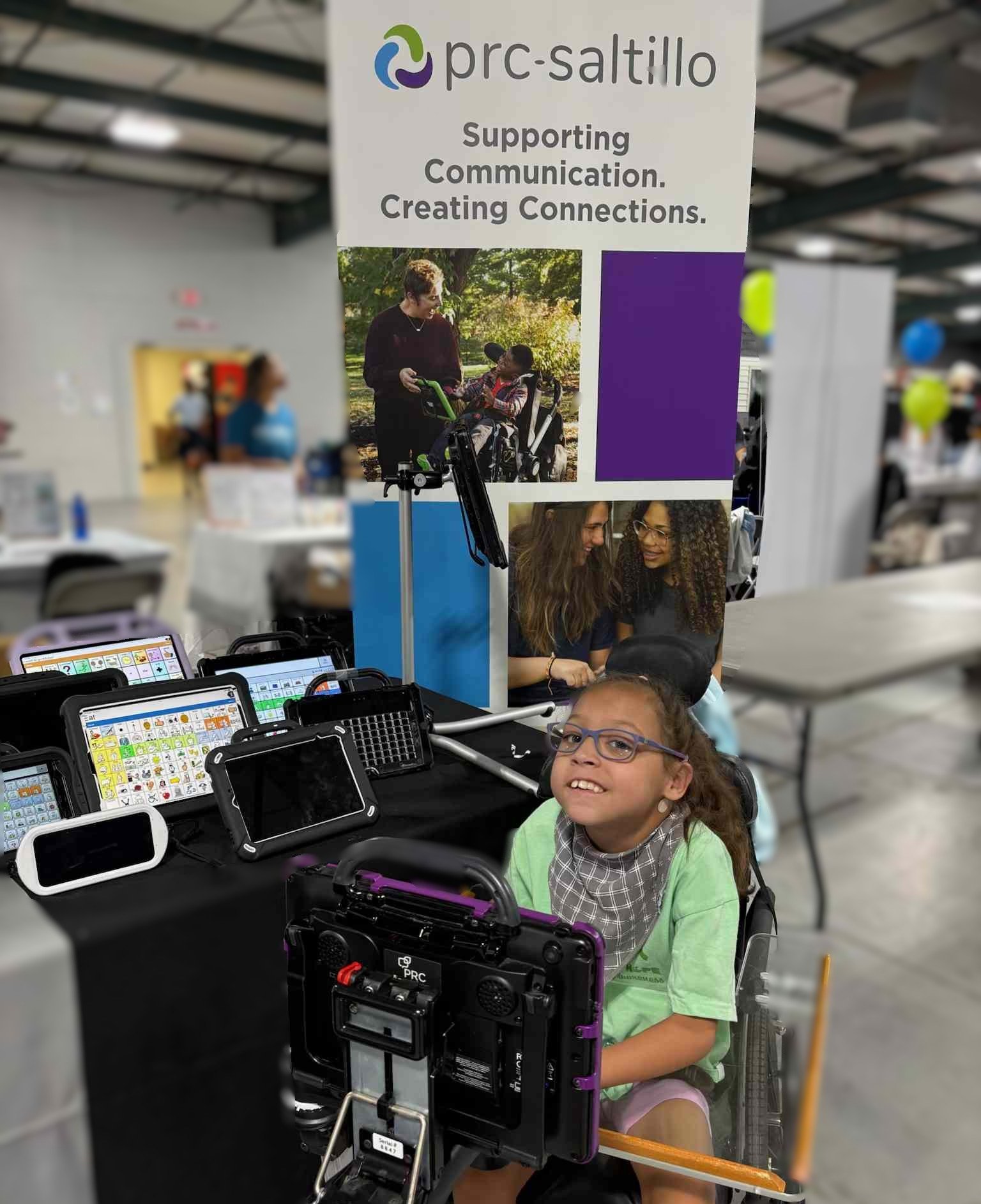
by Naiya Daves, PRC-Saltillo Ambassador This summer I did a 3 w...
Blog Post - Dec 02 2025Read the latest blogs and find out what's going on in the AAC community

The student will speak using single words.
Stage One - Use Single WordsSee this month's most popular lesson plan
Encourage the student to direct the behavior of others using negatives...
Stage One - Express NegativesSee this month's most popular activity