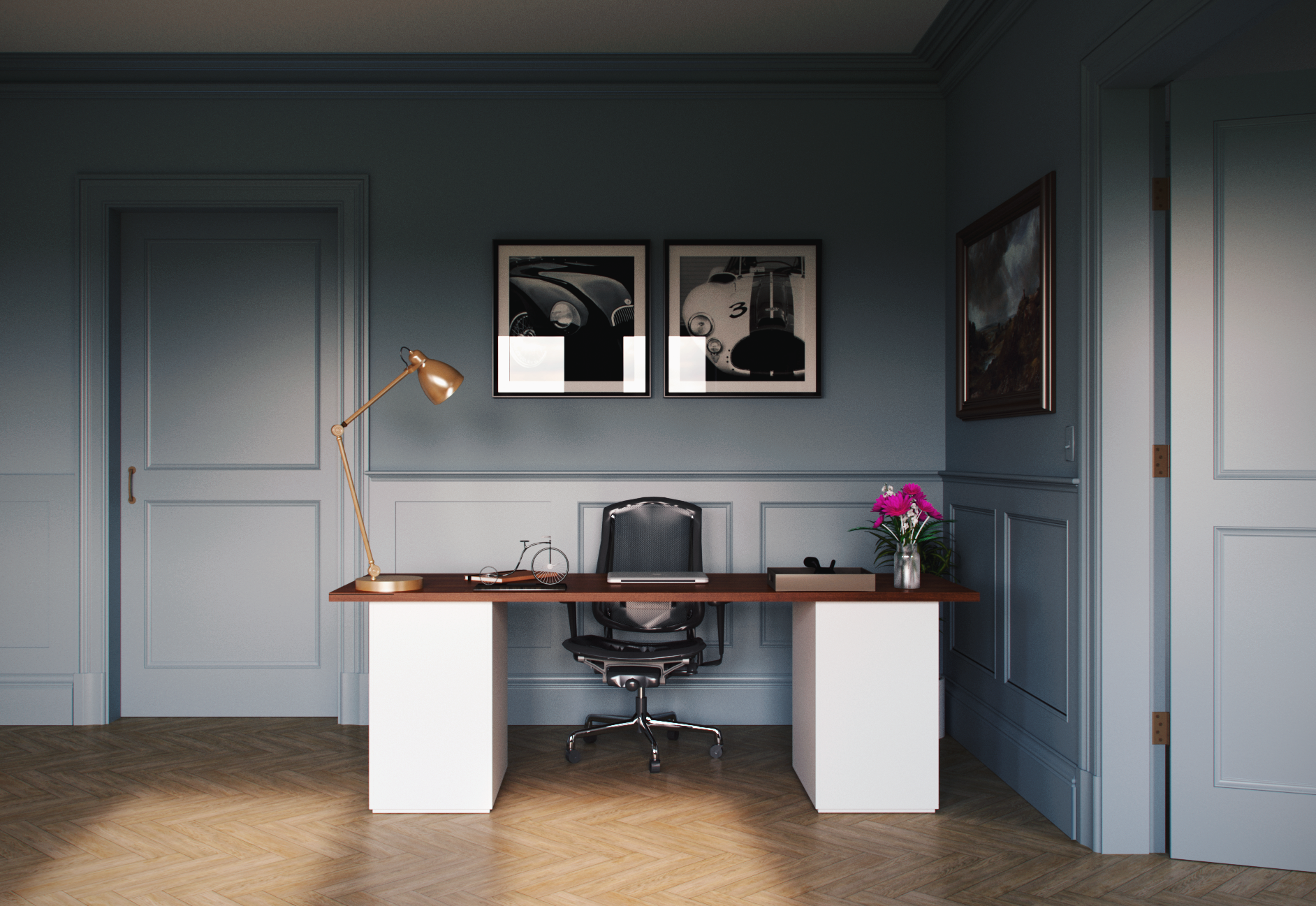
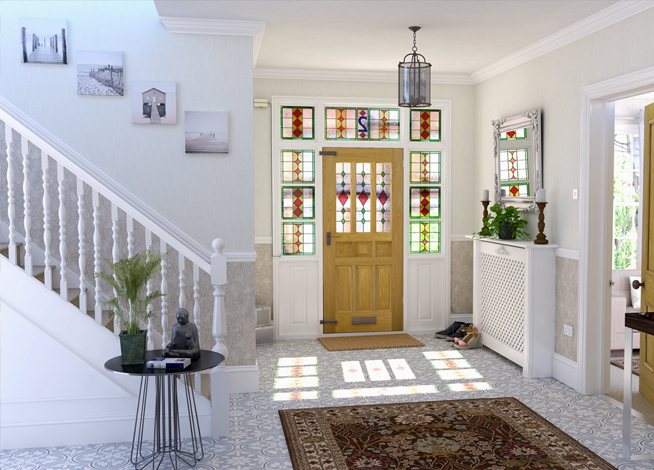
Find the furniture, lights, appliances, decorations, plants, and materials you need to quickly bring you SketchUp models to life."
Podium Browser is a premium component library containing over 45,000 high-quality models and materials, with hundreds added each month. All models from 3D trees to furniture are render ready for SU Podium and PodiumxRT but also are highly suitable to stand alone SketchUp exterior and interior designs.
Items in Podium Browser are already configured to be rendered with SU Podium or just use with SketchUp.
Podium Browser works just like the 3D Warehouse — Simply click on a thumbnail in the Browser to download the content into your SketchUp model. You can then render using SU Podium, ProWalker or Podium Walker if desired. Podium Browser components and materials are developed with considerable detail and suited well for SketchUp designs. Blindfold chess : history, psychology, techniqu...
: André Danican Philidor stunned the public by playing three simultaneous blindfold games, an achievement so remarkable at the time that witnesses signed affidavits to attest to it.
: Masters like Paul Morphy (8 games in 1858) and Harry Nelson Pillsbury (20 games in 1900) pushed the limits. Alexander Alekhine, often considered the greatest blindfold player, set a record of 32 games in 1934.
: Experts do not typically visualize 3D pieces or "floating boards." Instead, they rely on abstract "lines of force" and "controlled squares".
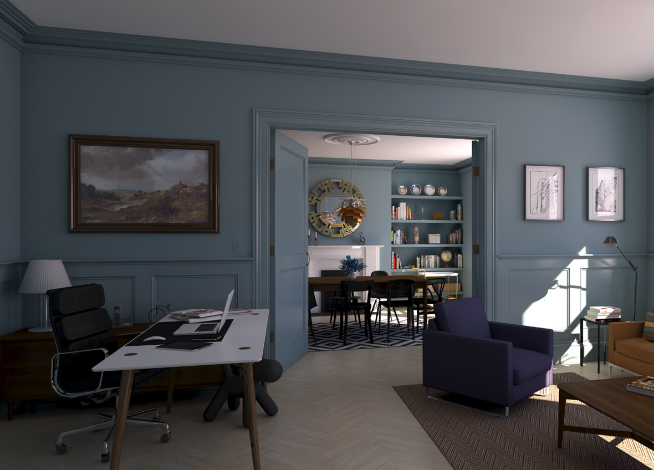
These four scenes were created almost entirely with Podium Browser components and rendered with SU Podium. Click through the images to see a breakdown of the Podium Browser components used in each image:
: André Danican Philidor stunned the public by playing three simultaneous blindfold games, an achievement so remarkable at the time that witnesses signed affidavits to attest to it.
: Masters like Paul Morphy (8 games in 1858) and Harry Nelson Pillsbury (20 games in 1900) pushed the limits. Alexander Alekhine, often considered the greatest blindfold player, set a record of 32 games in 1934.
: Experts do not typically visualize 3D pieces or "floating boards." Instead, they rely on abstract "lines of force" and "controlled squares".